
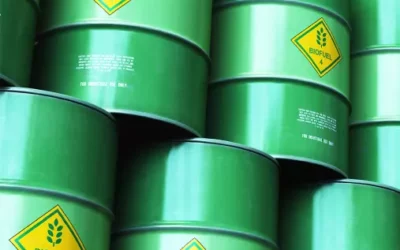
Biodiesel, a renewable and environmentally friendly alternative to traditional fossil fuels, holds great promise in the fight against climate change. As the world seeks to reduce greenhouse gas emissions and reliance on finite fossil fuel resources, the need to scale up biodiesel production becomes increasingly important. In this blog, we’ll explore the challenges faced by biodiesel manufacturers in scaling up production and present innovative solutions to overcome these hurdles.
The Rising Demand for Biodiesel
The demand for biodiesel is on the rise as individuals, industries, and governments recognize the environmental benefits it offers. Biodiesel, typically produced from vegetable oils, animal fats, or used cooking oil, is a cleaner-burning fuel that can be used in diesel engines without modification. However, to meet the growing demand and unlock its full potential, biodiesel production must be significantly scaled up.
Challenges in Scaling Up Biodiesel Production
- Feedstock Availability: Securing a consistent and sustainable supply of feedstock is a key challenge. Competition for feedstocks from other industries, changes in crop yields, and the availability of waste oils can affect production.
- Production Infrastructure: Expanding biodiesel production requires significant investments in production facilities and equipment. Manufacturers must consider the cost and infrastructure required to meet growing demand.
- Quality Control: Maintaining consistent biodiesel quality is vital. As production scales up, ensuring product consistency becomes more challenging, as feedstock quality and composition can vary.
- Environmental Impact: Sustainable production is a priority. Manufacturers must address concerns related to deforestation, land-use change, and resource consumption associated with some feedstocks.
- Market Penetration: The broader adoption of biodiesel in the transportation sector requires creating awareness and market incentives. Collaborating with governments and industries to promote biodiesel use is crucial.
Solutions for Scaling Up Biodiesel Production
- Diversify Feedstock Sources: Expanding the feedstock base to include waste oils, algae, and non-food crops can enhance supply chain resilience.
- Advanced Production Technologies: Investing in advanced production technologies, such as enzymatic transesterification, can improve process efficiency and reduce production costs.
- Quality Assurance: Implement rigorous quality control and testing procedures to ensure product consistency, adhere to standards, and meet customer expectations.
- Sustainability Certification: Achieving sustainability certification, such as the Roundtable on Sustainable Biomaterials (RSB) certification, can help address environmental concerns and enhance market access.
- Government Support: Collaborate with governments to establish favorable policies, incentives, and mandates that encourage the use of biodiesel.
- Research and Development: Invest in R&D to develop innovative biodiesel production methods, improve feedstock yields, and enhance overall efficiency.
- Market Expansion: Partner with industries and organizations to create awareness about the environmental and economic benefits of biodiesel. Develop marketing strategies to promote biodiesel use in the transportation sector.
The Road Ahead
Scaling up biodiesel production is not without its challenges, but it is essential for a sustainable and eco-friendly energy future. As the world increasingly turns to renewable energy sources, biodiesel’s role becomes more prominent. By addressing the challenges and implementing innovative solutions, manufacturers can contribute to reducing carbon emissions, conserving resources, and fostering a cleaner, greener world. Biodiesel has the potential to make a significant impact in the global transition to more sustainable energy, and the journey towards scaling up its production is a vital step in that direction.